
How Much Does It Cost To Manufacture a Product?
Once you have finished the rewarding process of developing a product from idea to final prototype, the next step is understanding how to manufacture a product as cost effectively as possible.
Manufacturing costs can vary significantly depending on the product type, materials, production quantity and manufacturing process used. Many entrepreneurs underestimate the true cost of manufacturing because they only focus on the factory quote rather than the full cost of production, assembly, packaging and shipping.

What Are the Biggest Factors That Affect the Cost to Manufacture a Product?
The biggest factors affecting manufacturing cost are:
Product tooling
Raw materials
Required manufacturing processes
Time required to assemble the product
Production quantity
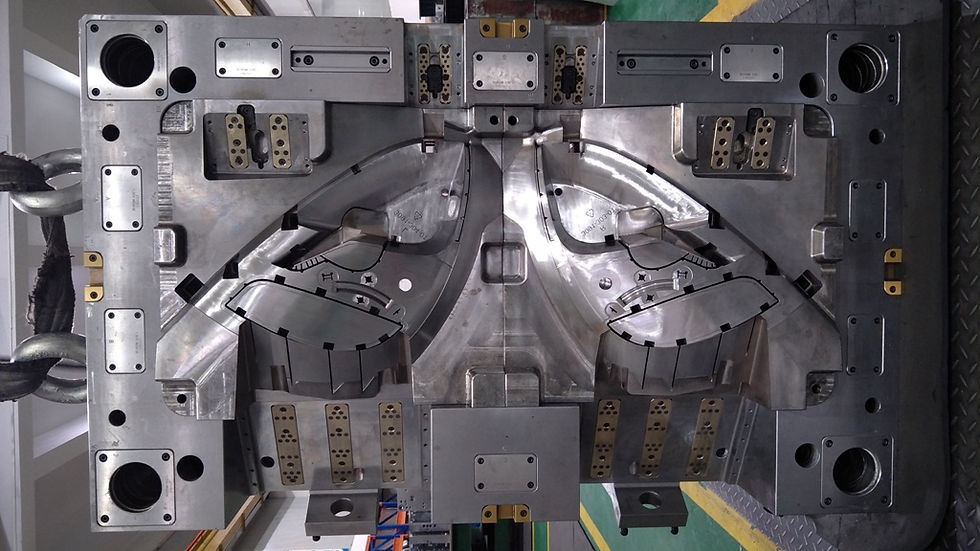
The most underestimated cost in manufacturing is the initial tooling investment. Tooling requires an up-front investment because a large amount of engineering time, machining and specialist manufacturing is needed to produce production tools, such as injection moulding tools.
Product complexity has a major impact on tooling cost. Products with multiple parts, moving features or complex geometries often require more advanced tooling, additional assembly stages and longer production times. Advanced materials and integrated electronics can further increase cost because they involve higher raw material prices and more specialist assembly processes.
The benefit of this investment is that tooling automates production and significantly reduces the final cost per product and enables efficient mass production.
Why Does Manufacturing Cost Decrease as Production Quantities Increase?
There is a major difference between low-volume manufacturing costs and mass production costs.
Every manufacturing process requires time and cost to prepare production. This includes setting up machinery, programming equipment and organising assembly processes. These are fixed overhead costs that apply regardless of whether you manufacture 100 products or 100,000 products.
As production quantities increase, products benefit from economies of scale because these fixed costs are spread across a larger number of units. This reduces the cost per product and makes manufacturing more efficient.
If you are investing in tooling, higher production quantities are usually far more cost effective because they maximise the value of the initial tooling investment and achieve lower unit costs.

What Additional Manufacturing Costs Should Entrepreneurs Expect?
Many entrepreneurs focus only on tooling and part production costs but overlook the additional manufacturing expenses involved once a product leaves the machine. For example, after a plastic moulded product is manufactured there are often further costs for:
Assembly
Quality control
Product testing
Packaging
Labelling
Beyond factory costs, businesses also need to factor in freight charges, shipping, import duties and customs fees where applicable, if shipping from outside the country.
These additional expenses can significantly affect the final landed cost of a product and should always be included when calculating manufacturing budgets and retail pricing.
How Do Businesses Calculate Retail Pricing From Manufacturing Costs?
A common guideline used in product manufacturing is to set a retail price at approximately three to four times the total manufacturing cost.

Is It Cheaper to Manufacture Products in the UK or Overseas?
UK manufacturing is becoming increasingly competitive compared to Far East manufacturing, particularly when shipping costs, import duties and freight delays are considered.
"For smaller production quantities or larger heavy products that are expensive to transport, UK manufacturing can often become more cost effective overall once all associated costs are included."
Jamie Lawrence, Design Manager, Duku
Overseas manufacturing may still provide lower unit costs for high-volume production, particularly for labour-intensive products, but businesses should always compare:
Tooling costs
Shipping costs
Import duties
Lead times
Communication
Quality control
Minimum order quantities
How Can Design Decisions Reduce Manufacturing Costs?
The earlier manufacturing is considered during product development, the easier it becomes to reduce production costs without sacrificing product quality.
Design for manufacture and assembly is an important part of product development because it helps optimise products for efficient production. By refining designs through prototyping and engineering development, businesses can identify expensive features early and make improvements before investing in production tooling.
Investing time in product development, prototyping and manufacturing refinement often results in:
Lower tooling costs
Faster production
Reduced assembly time
Improved quality control
Lower material waste
Better profit margins
The most effective way to reduce manufacturing costs is to engage with experienced product designers and manufacturing specialists early in the development process. Ultimately, well-developed products are usually far more cost effective to manufacture than products rushed into production without proper engineering and prototyping.
If you are considering manufacturing a new product and want guidance on where to begin, get in touch with the Duku team to discuss your project.


Comments