
How Do I Manufacture a Product?
Bringing a new product to market is often portrayed as a fast-moving process. Television shows like Dragons' Den and The Apprentice make it appear as though products move from an idea to a finished item almost overnight. In reality, successful product manufacturing is a far more detailed and iterative process.
The products that succeed commercially are rarely the result of a single sketch or prototype. They are developed through months of refinement, testing and engineering to ensure they can be manufactured efficiently, perform reliably and meet customer expectations at the right price point.
At Duku, we work with startups, inventors and established businesses to bridge the gap between product concept and production-ready manufacturing.
How Do I Design a Product for Manufacture?
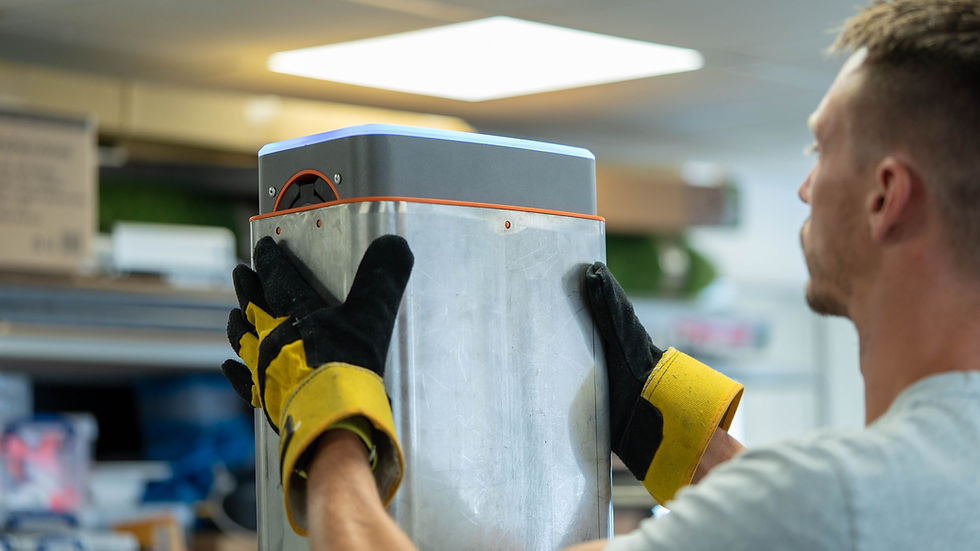
Design for manufacture is one of the most important stages of product development and one of the most misunderstood.
A product may look impressive in a render or CAD model but that does not necessarily mean it can be manufactured cost-effectively at scale. We regularly see AI-generated concepts and early-stage designs that simply are not practical for production without significant redesign work.
In many cases, simplifying a product early can significantly reduce manufacturing cost later. Reducing part count, rationalising features and designing efficient assembly processes all have a major impact on production viability. Good design for manufacture considers:
End-user functionality
Manufacturing process selection and tooling constraints
Material choice and product durability
Assembly efficiency, tolerances and production cost
Shipping and packaging
Production and tooling cost
Effective design and manufacture requires products to be engineered around real-world production methods from the outset. This includes considering tooling, assembly, materials and long-term scalability throughout the development process.
A strong approach to design for manufacture and assembly can significantly reduce production complexity, lower tooling investment and improve product reliability once manufacturing begins.
How Do I Ensure My Product Is Ready for Market?
One of the biggest mistakes startups make is rushing into manufacturing before the product has been properly prototyped and tested. A prototype should not simply look good, it should validate usability, performance and manufacturability before committing to expensive tooling.
“The biggest mistake we see is manufacturing being treated as something that happens at the end of development rather than being considered from the very beginning. The products that perform best commercially are designed around real manufacturing constraints from day one, ensuring they can be produced efficiently, reliably and at the right cost without compromising the customer experience.”
Jamie Lawrence, Design Manager, Duku
Companies such as Dyson are well known for extensive iterative prototyping before launch. That level of refinement is often what separates successful products from products that struggle commercially.
The goal is not just to create an attractive product that customers want. The goal is to create a reliable product manufacturers can efficiently produce and the market will buy at the right price.
How Do I Find a Manufacturer for My Product?
Finding the right manufacturer is about far more than simply identifying the cheapest supplier.
A good manufacturing partner should provide:
Strong communication
Technical expertise and problem-solving capability
Consistent production quality and quality control measures
Realistic lead times
Experience within your product category
Manufacturing relationships work best when the factory becomes an extension of the development team rather than simply a supplier.
At Duku, we help clients identify manufacturing partners based on the specific needs of the product, production volume and commercial goals. In some cases, UK manufacturing offers major advantages. The UK has a strong network of high-quality manufacturers supporting industries such as automotive, consumer electronics and engineered products, with companies including Jaguar Land Rover, Unilever and Gtech helping maintain a highly capable supply chain.
Depending on the product category, this may involve sourcing specialist suppliers for electronics assembly, precision machining, plastic moulding service providers or low-volume custom production partners.
UK manufacturing can be particularly effective when:
Close collaboration through research and development is required
Production quality is critical
Lead times matter
International shipping costs are high
Products are physically large, heavy or difficult to transport
Overseas manufacturing can offer cost benefits for very high-volume production, particularly for injection moulded consumer products and electronics. This is especially common for high-volume injection moulded products, where production efficiency and tooling optimisation become critical to achieving competitive unit pricing.
However, successful overseas production still relies heavily on clear engineering documentation, prototype validation and close supplier management.
The reality is that choosing a manufacturer should never happen in isolation from product development. The product itself must first be designed correctly for the intended manufacturing process.

How Much Does It Cost to Manufacture a Product?
Manufacturing cost is one of the first questions every client asks and understandably so. However, there is no single answer because costs vary dramatically depending on the product type, complexity, volume and manufacturing process.
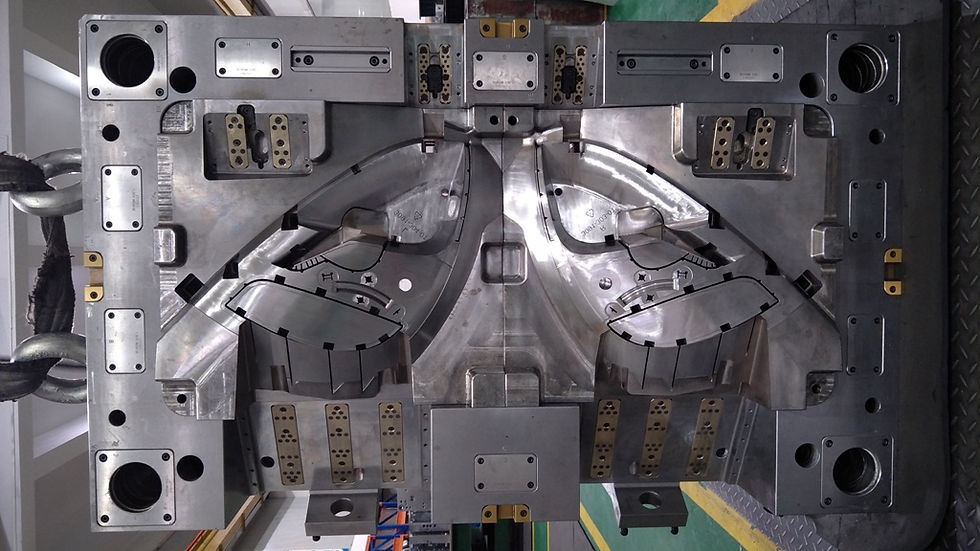
One of the biggest surprises for first-time inventors is tooling cost. For example, injection moulding requires bespoke steel or aluminium tooling to manufacture plastic components at scale. These tools are highly engineered precision assets and can represent a significant upfront investment. Many people have never seen an injection mould tool before beginning the product development process and are surprised by the cost involved.
An injection moulding tool is typically one of the largest upfront investments in plastic product manufacturing but is essential for producing high-quality components consistently at scale.
However, tooling is also what enables low per-unit production pricing in mass manufacturing.
Key factors that influence manufacturing cost include:
Product size, complexity and amount of parts
Tooling difficulty
Material selection
Production volume
Assembly time
Tolerances
Electronics integration
Testing requirements
Packaging
Certification requirements
The best way to reduce manufacturing cost is not through cutting corners later in development. It is through making intelligent design decisions early.
Why Some Products Reach Production and Others Stall
Ultimately, manufacturing a successful product is not about moving quickly. It is about making the right decisions at the right stages to create a product that is commercially viable, manufacturable and genuinely valuable to customers. One of the clearest differences between products that succeed and products that fail is clarity.
Successful projects usually begin with:
A clearly defined specification
Realistic commercial objectives
Validated customer feedback
An achievable target price
A structured development process
The strongest projects also develop the commercial strategy alongside the product itself. Manufacturing, pricing, branding and route-to-market decisions all influence product development and should evolve together.
Too many consultancies focus only on concept visuals and early-stage ideation. At Duku, we take a broader view. We combine product design, engineering, manufacturing knowledge, commercial thinking and IP awareness to help clients navigate the full journey from idea to production.
If you are developing a new product and want guidance on prototyping, design for manufacture or production strategy, Duku can help take your idea from concept through to manufacture.
How Do I Start Manufacturing My Product?
The best place to start is not with a factory, it is with a clear development partner and strategy.
At Duku, we help clients move from early-stage ideas through to production-ready products by combining industrial design, engineering, prototyping and manufacturing expertise under one process. From design for manufacture and prototype development through to sourcing manufacturing partners and preparing for production, our team works to ensure products are commercially viable as well as technically achievable.
If you are considering manufacturing a new product and want guidance on where to begin, get in touch with the Duku team to discuss your project.


Comments